
The Grey Zone’s Daily Life
Grey BeesThis thread follows how a nearly emptied village sustains ordinary routines while front-line danger becomes part of its residents’ mental landscape.
increasing Bearing strength in each event
 decreasing
Bearing strength in each eventdecreasingSilence After Evacuation
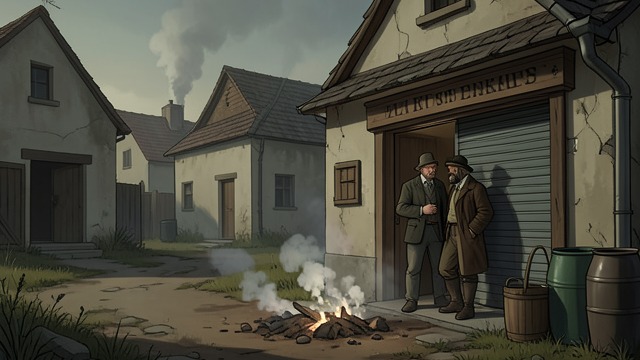
Silence After Evacuation
A village empties
The first shell strikes the Leninist church, and residents leave Little Starhorodivka in successive waves. Their departure closes shops and services and leaves houses to weather, damage, and memory.
Two men stay
Sergeyich and Pashka remain for different reasons, helping preserve the possibility that others might return. The village survives as an inhabited place, though almost all its social life has vanished.
War Enters the Routine
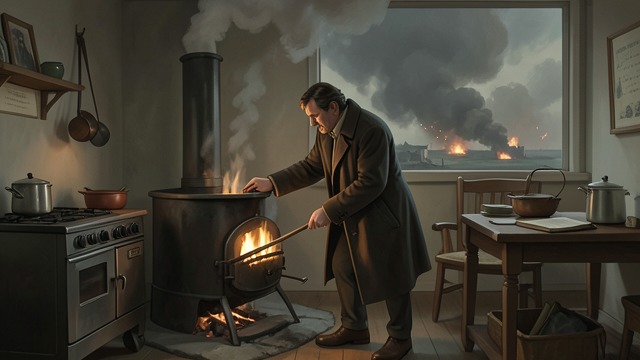
War Enters the Routine
Domestic survival
Sergeyich tends his stove, water, food, and bees while distant artillery becomes part of what he calls silence. A blast can still shake his windows, but he often returns quickly to the small tasks of the day.
Numbness and attention
His indifference is incomplete: he notices damage, tracks, and the fate of a body in the field. The contrast shows how war becomes ordinary without becoming harmless.
An Unfinished Quiet
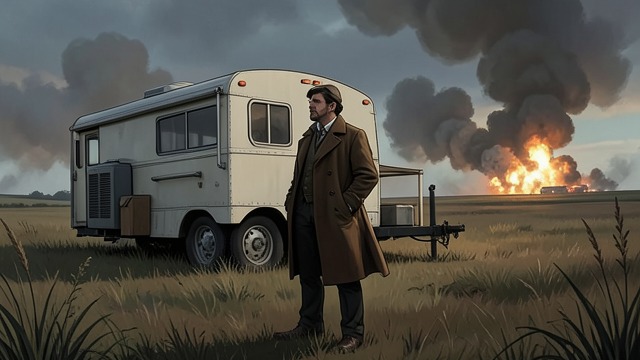
An Unfinished Quiet
Distance from the guns
Sergeyich finds a calmer setting in Crimea, where natural sounds and village routines initially replace the wartime soundscape. Yet his memories continue to carry the explosions and anxieties of home.
A returning obligation
When he decides to go back, the grey zone remains his destination despite its danger. His choice demonstrates that quiet elsewhere cannot erase the responsibilities and relationships rooted in his village.
the first spring of the war
the third winter of the war
after the move to Crimea
